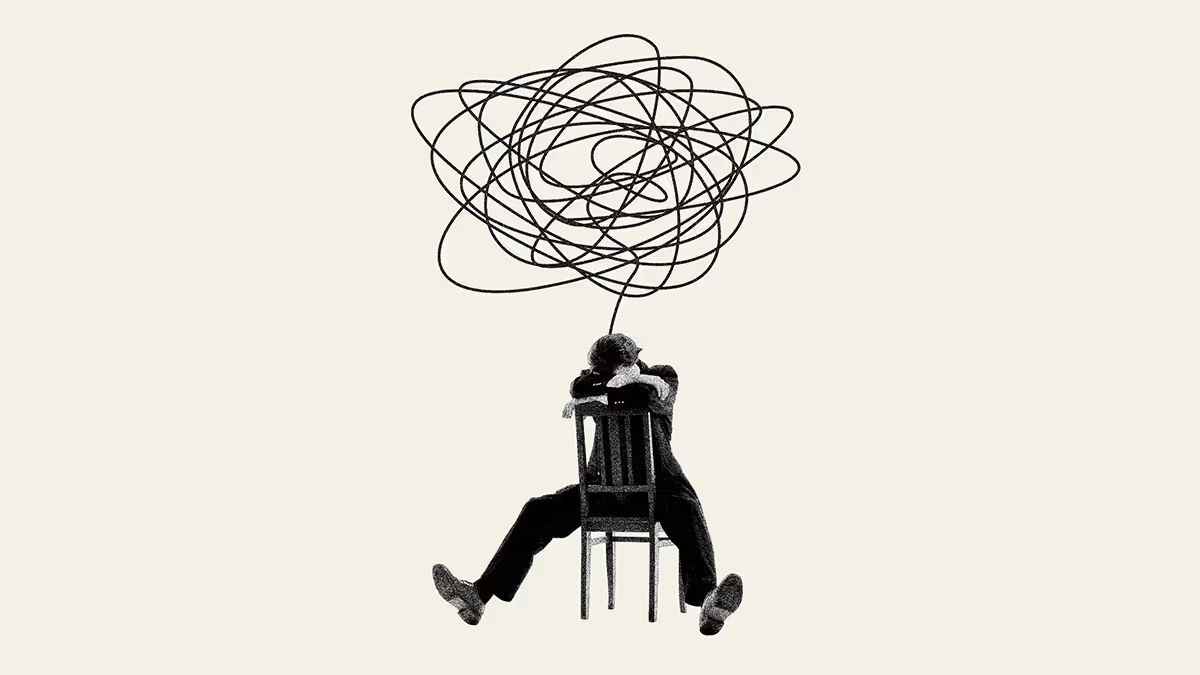
Hustle culture has become a defining feature of contemporary work life, especially in the age of social media and digital economies. It promotes the idea that constant work, relentless productivity, and sacrificing rest are the ultimate paths to success. Phrases like “sleep when you’re dead” or “work harder than everyone else” are celebrated as motivational truths. While hustle culture is often presented as empowering and aspirational, a deeper look reveals that it frequently crosses the line into modern exploitation.
At its most positive level, hustle culture encourages ambition, discipline, and self-belief. It motivates individuals to take ownership of their careers rather than relying solely on traditional systems. For entrepreneurs, freelancers, artists, and gig workers, this mindset can be genuinely empowering. It rewards initiative, creativity, and resilience. In societies where job security is uncertain and competition is intense, hustling can feel like a necessary survival strategy. For many young people, especially those without privilege or connections, hustle culture offers hope—the belief that hard work alone can change one’s circumstances.
However, the problem begins when hustle culture stops being a choice and starts becoming an expectation. In many workplaces, overworking is no longer seen as dedication but as a minimum requirement. Long hours, unpaid overtime, and constant availability are normalized. Employees are subtly pressured to prove their worth through exhaustion. When rest is labelled as laziness and burnout is treated as a badge of honor, empowerment turns into exploitation.
Social media plays a powerful role in reinforcing this mindset. Carefully curated images of success—late-night work sessions, luxury lifestyles, and “grind” routines—create unrealistic standards. These narratives rarely show privilege, financial safety nets, or mental health struggles behind the scenes. As a result, people internalize failure when they cannot keep up. Hustle culture individualizes success and failure, ignoring systemic issues such as low wages, job insecurity, and unequal opportunities. If someone struggles, the blame is placed on their lack of effort rather than on structural problems.
Another serious consequence of hustle culture is its impact on mental and physical health. Constant pressure to be productive leads to chronic stress, anxiety, sleep disorders, and burnout. The human body and mind are not designed for endless performance. Yet hustle culture treats rest as weakness and recovery as wasted time. Over time, this not only reduces creativity and efficiency but also damages long-term well-being. Ironically, a culture obsessed with productivity often produces exhausted and disengaged individuals.
Hustle culture is especially exploitative in the gig economy and creative industries. Workers are encouraged to “passionately” overwork in exchange for exposure, experience, or future opportunities. Passion is used as a substitute for fair compensation. This blurs the boundary between self-driven ambition and economic coercion. When survival depends on constant hustling, empowerment becomes an illusion.
That said, rejecting hustle culture entirely is neither practical nor necessary. The issue is not hard work itself, but the glorification of overwork. Healthy ambition includes balance, boundaries, and sustainability. True empowerment allows individuals to work hard without sacrificing dignity, health, or personal life. Productivity should serve human well-being, not consume it.
A more ethical work culture would value efficiency over exhaustion, creativity over constant availability, and outcomes over hours spent. Institutions and organizations must take responsibility instead of shifting the entire burden onto individuals. At the same time, people must redefine success on their own terms—not just through income or status, but through stability, fulfillment, and health.
In conclusion, hustle culture sits at a dangerous crossroads between motivation and exploitation. While it can inspire self-belief and independence, it often masks systemic inequalities and normalizes burnout. True empowerment does not demand endless sacrifice. It allows room for rest, reflection, and humanity. In a world obsessed with hustling, choosing balance may be the most radical act of all.