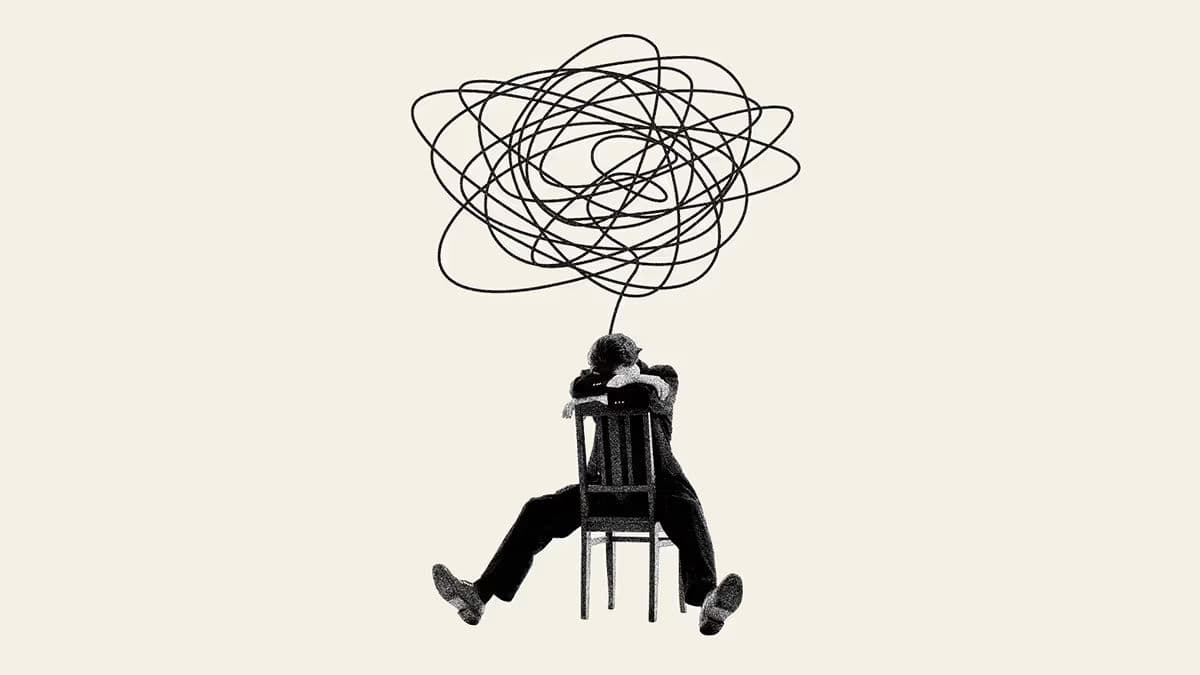
The rapid growth of online payments, especially through UPI, has fundamentally changed how people spend money in India. What began as a revolutionary step toward cashless convenience has now evolved into a powerful driver of impulsive consumption. Today, people are more willing to spend money online even on things they do not actually need simply because paying has become effortless. The ease of buying has reshaped consumer behavior, often blurring the line between necessity and desire.
UPI has removed almost every friction traditionally associated with spending. There is no need to carry cash, swipe cards, remember PIN-heavy processes, or even think twice before making a purchase. A single tap, face scan, or quick confirmation is enough. This simplicity psychologically reduces the “pain of paying.” When money does not physically leave your hand, spending feels less real. As a result, users are more likely to make quick decisions driven by convenience, discounts, or momentary emotion rather than genuine need.
Online platforms have capitalized on this behavior. Flash sales, limited-time offers, one-click purchases, and constant notifications create a sense of urgency. When combined with instant UPI payments, the buying decision becomes impulsive. People often spend not because they planned to, but because the process is too easy to resist. Small transactions feel insignificant individually, but collectively they drain finances without users fully realizing where their money went.
Another important factor is the normalization of digital spending. Paying through UPI has become socially embedded in daily life from tea stalls to luxury shopping. This constant exposure trains users to treat digital payments as routine rather than deliberate financial decisions. Especially among young users, spending online is increasingly associated with convenience, status, and lifestyle rather than budgeting or restraint. The result is a growing culture of “buy now, think later.”
While UPI has undoubtedly boosted financial inclusion and economic efficiency, it has also shifted responsibility heavily onto individual self-control. Unlike traditional cash spending, digital payments provide fewer natural stopping points. There is no visual reminder of money decreasing, no physical limitation once cash runs out. Without conscious tracking, users may underestimate their spending habits, leading to financial stress, dependency on short-term credit, or poor saving behavior.
However, the problem is not UPI itself, but how it is used. Digital payments are a tool, not a compulsion. Financial awareness, budgeting apps, spending alerts, and digital literacy must grow alongside payment technology. Platforms and policymakers also share responsibility in promoting ethical design features that encourage transparency rather than manipulation.
In conclusion, the rise of UPI has made life easier, faster, and more connected, but it has also made spending dangerously effortless. Convenience should not come at the cost of financial discipline. As digital payments become the default mode of transaction, users must learn to pause, question, and decide consciously. Otherwise, easy buying may quietly turn into unnecessary spending one tap at a time.